You can spot a good security gate from a distance, but you only feel a great installation when you close up shop at midnight and everything glides, locks, and aligns the way it should. Most buyers obsess over the product catalogue, debating scissor security gates versus accordion security gates, single-fold versus bi-parting. Smart buyers interview the installer with the same intensity they’d reserve for a contractor rebuilding the front of the building, because that is, in effect, what a gate installation is. Where metal meets masonry, physics gets a vote. And in the security business, bad geometry equals broken hardware, forced entries, and repair bills that arrive like clockwork.
I have watched perfect hardware fail because of a sloppy mount, and average hardware perform for ten years because a patient installer chased every millimetre. So let’s talk about what you should look for in a security gate supplier and how to tell whether they can actually install what they sell.
The difference between a product sale and a security upgrade
A gate is not a poster you tack to a wall. It becomes part of the building’s daily motion. Bars roll, hinges compress, locks take torque, concrete anchors carry the strain of a late-night yank. A good security gate supplier treats the installation as a structural and operational change, not a bolt-on accessory. They will ask how your doors swing, where staff carry stock, how the storefront breathes in summer, whether customers queue near the opening, and what insurance requires. You can hear the difference on the initial walkthrough. They measure, they listen, and they tell you what is risky. If they rush to a quote without talking through use cases, keep their brochure and keep looking.
Gates earn their keep by balancing security and flow. For a fast-service cafe, an expanding security gate that stacks tight and disappears during the day can pay for itself in saved floor space. For a warehouse with forklift traffic, you might favour a heavier commercial security gate with reinforced tracks and oversized castors. The best supplier can explain why, then design for your floor, not a generic model photo.
Anatomy of expertise: what you should see on a site visit
The first real test is the site assessment. It should feel like an audit, not a formality. I expect a tape measure that doesn’t leave their hand, a laser level, a magnet for spotting hidden steel, and a small notebook that gradually fills with numbers. They should map out the opening to the nearest 3 millimetres, note any out-of-plumb conditions, and say things like, “The south jamb leans out 7 millimetres over two meters, which will pull the gate off true once it’s loaded.”
Great installers talk about load paths the way a tailor talks about seams. They examine the substrate: old brick, hollow block, poured concrete, laminated wood. Anchors depend on it. A sleeve anchor that holds beautifully in concrete can spin uselessly in crumbly mortar. That’s how gates sag, lock rods misalign, and customers start cursing the nightly close.
If the opening will need reinforcement, they should be candid. On older storefronts I have seen installers add steel backing plates behind plaster or swap undersized fasteners for Hilti-style anchors rated to the substrate. They propose solutions early, with costs and implications. If you hear “standard hardware” no matter what your wall is made of, you are not talking to a serious pro.
Choosing the right type: accordion, scissor, and friends
People often use the terms interchangeably, but the mechanisms differ in ways that matter. Accordion security gates fold along multiple vertical pivots and track neatly, which makes them a favourite for retail fronts where the stack must be tight. Scissor security gates use crossed members that expand and contract in a diamond pattern, usually lighter, quicker to deploy, and forgiving if the opening is uneven. Expanding security gates can be single, bi-parting, or portable, with top track, bottom track, or trackless options. Commercial security gates for warehouses tend to be heavier, often with bottom guides to resist lateral push and options for integrated lock boxes.

Each has trade-offs. Accordion designs offer a cleaner stack and strong coverage, but the more pivots you add, the more points you must keep lubricated and aligned. Scissor gates are straightforward to service, yet can rattle if you pair them with the wrong mounting strategy on thin studs. Bottom tracks increase stability and security against prying, but they create trip hazards, collect grit, and complicate cleaning. Top-track-only systems move quickly and leave floors clear, but they rely heavily on a stiff header or lintel. A security gate supplier who glosses over these trade-offs is selling. The one who stands with you, looks at the doorway, and states plainly, “Top-track-only will rack your lintel over time unless we add a spreader,” is the one you hire.
A brief example from the field: a boutique in a windy downtown corner installed an elegant top-track accordion gate. The supplier said it would float, weightless. On blustery evenings, the header flexed, and the interlocks misaligned just enough that staff had to kick the last panel. After six months their paint was chipped and a hinge bent. The fix was simple but not cheap, a custom steel angle that tied the track into the building frame over 1.8 meters. A competent installer would have spec’d that from day one.
What “fit and finish” really means for security gates
Fit is geometry. Finish is friction. Together they dictate whether your gate will still feel solid in year five. For fit, I care about reveal gaps, square corners, and hinge spacing. A well-fitted gate slides without lateral wobble, lands square into its receiver, and allows a lock to drop without a shimmy. For finish, I look at the deburring of cut metal, the quality of powder coat or galvanizing, the feel of the rollers, and whether the lock hardware looks like it was made for the gate or bought from the discount bin.
Good suppliers pre-fit panels in the shop and label them for order of assembly. On-site, they expect to scribe and adjust. A gate that arrives as a rigid rectangle is going into a world of imperfect rectangles. The installer’s job is to reconcile those imperfections, not pretend they don’t matter. On older masonry openings, you will often see shims or custom brackets to bridge a bow or twist. That is not a defect. It is evidence that someone respected the building.
The quiet details matter. Stainless fasteners near the coast, tamper-resistant heads near busy sidewalks, lock guards that cover hasps fully, and dust caps that keep grit out of cylinders. If you see raw cut ends without caps or paint, ask why. Exposed steel flowers with rust long before the rest of your storefront ages.
The local wrinkle: expanding security gates in Kelowna
Location shapes installation more than brochures admit. Take expanding security gates in Kelowna. You have four seasons, freeze-thaw cycles that creep into any gap, and a mix of new commercial builds and older brick storefronts. Winter grit walks into every track. If your supplier doesn’t talk about clearance for snowmelt and the need for a drainage path under a bottom guide, you will be chiseling ice at closing time.
Kelowna also sees temperature swings that push metals around. A well-designed gate accounts for thermal expansion, especially on wide openings. That can mean elongated slots on brackets to allow a millimetre of movement or a choice of materials that respond similarly, so the track and the hanger don’t fight each other. This is the kind of thinking you hear from a crew that has replaced their own work before and learned.
Local code awareness matters too. Some municipalities ask for panic egress on certain occupancies. If you are shopping for security gates for business use in a space open to the public, you may need a model that can be unlocked quickly from the inside without a key during hours of occupancy, or installed in a way that never blocks a mandated egress route. If the supplier doesn’t raise this, call your inspector before you sign a contract. I have seen beautiful gates relocated at the owner’s expense because they compromised egress.
Power dynamics: manual versus motorized
Most accordion and scissor security gates are manual for good reason. They are quick to move and have fewer points of failure. That said, long spans and heavy commercial security gates sometimes benefit from motorization. The moment you add a motor, the installation complexity jumps. Now you have to consider power runs, controls, safety edges, and in some cases, integration with alarms or building management systems. Reliability then depends on correct wiring, proper slack management for cables, and robust stops to prevent overrun. I prefer manual for retail up to around eight meters of opening and reserve motorized systems for heavier industrial settings or when accessibility requires it.
If someone pitches motorization as a cure for a poor substrate or misalignment, run. Motors do not fix geometry, they break more expensively when geometry is wrong.
How to interrogate a security gate supplier without sounding like a cop
Vendors who know their craft appreciate informed questions. You can cover a lot of ground in fifteen minutes and learn more than a portfolio of glossy photos will ever reveal.
Here is a concise list you can use during the walkthrough:
- What substrate will you be anchoring to, what fasteners will you use, and how are they rated for that material? How will you handle the out-of-plumb or out-of-level conditions in this opening, and where will you shim or reinforce? What is the expected stack depth, and where exactly will the stack land relative to doors, switches, and displays? How will you protect egress and comply with local code, and who confirms that before installation day? What maintenance does this model need over the first three years, and what failures have you seen in similar installations?
If they answer quickly, specifically, and with examples, you are halfway home. If they talk in generalities, or every answer sounds like marketing copy, keep shopping.
The installation day: choreography of a clean job
A well-run installation looks controlled. The crew protects floors, masks nearby glass, and files sharp edges as they cut. They test-fit before committing to holes. You will see a level, a plumb bob or laser, and a torque wrench. The good ones carry multiple anchor types, tapping screws, plastic anchors only as a last resort, and a small assortment of steel angles in case the building throws them a curveball. They drill pilot holes, vacuum dust, and test the gate in partial assembly before installing lock hardware.
Watch how they handle the lock. The lock is not a decoration, it is the heart of the system. Poor alignment feels fine on day one and becomes a nightly fight once the building settles. Your installer should run repeated open-close cycles, lock and unlock with the building door closed and open, and show you the correct technique for staff. They label keys, record key codes if applicable, and hand you preventive maintenance notes without being asked.
On one memorable job, the crew leader discovered mid-install that the storefront’s aluminum mullion had a hidden splice. He paused, called the office, came back with a longer continuous backing plate, and avoided mounting into a weak joint. It added an hour. It saved the client years of movement-related headaches.
Maintenance is not optional, it is cheap insurance
Security gates live long lives when they are kept clean and lightly lubricated. Dust and grit are the enemy. In busy retail corridors, tracks collect fine sand that chews rollers and grows into speed bumps. A quick monthly vacuum, a wipe with a dry cloth, and a tiny amount of dry-film lubricant on pivots can extend the life of moving parts dramatically. Avoid grease that collects dirt. If your supplier recommends a product, write it down and keep it near the closing checklist.
Annual checks should include fastener torque, signs of metal fatigue at pivots, and inspection of lock cylinders for wear. Good suppliers offer maintenance packages that do not feel like a hard sell. They will tell you the two or three things that most often go wrong and how to avoid them. If the salesperson insists the gate is maintenance-free, you are being romanced, not informed.
Integrating with alarms, cameras, and glass
Security is a layered sport. A gate is a physical deterrent, but it works best when it cooperates with alarms and cameras. If you have glass behind an expanding security gate, the installer should plan for sensor placement. Reed switches can live on the gate itself, or you can wire the building door separately and set the gate as a secondary barrier. Cameras need a clear view to distinguish a locked gate from an open one, and lighting matters more than many expect. A matte black gate in a dim vestibule can trick motion analytics.
I like to see conduit and wiring routes that look intentional, fixed to structure where possible, and not clamped haphazardly to the gate. If conduit must cross moving parts, it should do so in a way that does not rub. These are the sorts of details a seasoned security gate supplier brings up early, saving you a tangle later.
Edge cases that separate pros from pretenders
Multi-tenant buildings create scheduling puzzles. You might need a gate that secures one suite without impeding a shared corridor. The answer might be a bi-parting arrangement that nests to one side during business hours or panels that latch into discrete receivers. Fire shutters and sprinklers can complicate headroom and clearances. A conscientious installer will coordinate with the property manager and fire protection contractor instead of winging it.
Historic facades call for a gentler touch. You may not be allowed to drill where you want, and aesthetics matter as much as function. In those cases, a good supplier can design custom brackets to capture existing structure and choose finishes that don’t jar the eye. They will show you photos of similar heritage installs, not just promise to be careful.
Then there are the vandalism-prone zones. If your business lives on a row where people pry, kick, and test their luck, reinforcement is worth the money. That can include closer bar spacing at the bottom of the gate, anti-pry receivers, shields around padlocks, and hidden fasteners. It is better to overbuild discreetly than to replace twisted steel after the first bad weekend.
Price as a hint, not a compass
There is a point where a price is suspiciously low. If one quote is 25 to 40 percent under the others, it either excludes site prep, uses lighter hardware, or assumes a quick install with no surprises. I have lost bids to cheaper quotes and then been hired later to fix what cheap could not cover. The reality is that labor, travel, anchors, permits, and custom brackets carry real costs. On the other hand, not all premium quotes are justified. Ask each security gate supplier to break down labor, materials, and any expected contingencies. Specificity usually correlates with competence.
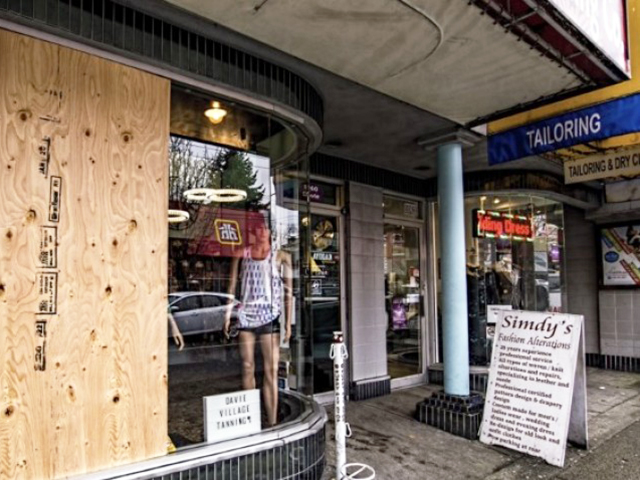
Remember, you are buying a result: smooth daily operation and a genuine barrier when it counts. If you amortize an extra thousand dollars over a gate’s ten-year life, that is coffee money each month. The first avoided service call often makes up the difference.
A brief buyer’s map for security gates for business
Security needs are not one-size-fits-all, but patterns emerge. Small retail with tight sidewalks benefits from accordion security gates that stack compactly behind the mullion. Restaurants with patio access like bi-parting expanding gates that open quickly at rush. Warehouses lean toward heavier commercial security gates with bottom guides and lock boxes that take a beating. Offices that want visibility after hours favor scissor security gates that allow air and sightlines while sending a clear not-open message.
In Kelowna and similar climates, plan for winter grit, choose finishes that shrug off moisture, and keep stack zones away from heater blasts that can dry out lubricants. If your business depends on ADA accessibility, avoid floor tracks near accessible routes or choose low-profile guides with beveled transitions and clear markings.
Red flags you should not ignore
You do not need to be a metalworker to sense risk. A few signs often predict trouble. If the supplier does not measure more than once or ignores obvious out-of-square conditions, expect callbacks. If your questions about anchors and substrates get vague replies, your gate might be attached to hopes and drywall. If the installer insists the gate can land across a doorway used as an egress path during business hours, you are flirting with code violations. If the only schedule they can offer is “sometime next month,” be cautious unless they have a track record that earns trust.
Another subtle red flag is the promise that any staffer can install the gate after delivery. Prefab has its place, but a security barrier that will be opened and closed hundreds of times a year deserves professional hands. DIY is great for storage shelving, not for a daily-use barrier with a lock that insurance might inspect after an incident.
The case for pre-approval mockups and photos
Smart suppliers keep a library of their own installs and, when possible, bring a small sample section of track or panel so you can feel the weight and finish. For complex openings, I have https://landenklka477.tearosediner.net/security-gates-for-business-nightly-closing-procedures seen teams create half-scale mockups or cardboard templates to test stack location and clearance around fixtures. These humble props save more grief than any PDF drawing. If a supplier is willing to do a quick shop drawing that shows anchor points and stack zones relative to your floor plan, you will both sleep better.
Warranty, service, and the people behind the truck
A warranty lives or dies by who answers the phone. Ask who handles service calls and how quickly they respond. A supplier that subcontracts installation to the lowest bidder often struggles with accountability later. The best ones invest in their crew, train them on specific models, and track serial numbers and install notes in a database. That means when you call three years later and say the left panel binds during closing, they can pull up your file and know whether you have the accordion security gate with the double-hinged lead post or the scissor security gate with the reinforced bottom shoes.
It is not glamorous, but ask what happens if a delivery truck clips the stack and bends a panel. Can they replace a single section, or must you buy a full set? What is the lead time for parts? These practical details turn a bad day into a manageable one.
Final thoughts from the job site
Gates look simple, and the good ones feel simple, but that simplicity is engineered and installed with care. When you evaluate a security gate supplier, you are really evaluating how they think about buildings, people, and everyday use. They should respect physics, codes, and your staff’s time. They should prefer precision over bravado. And they should treat your storefront as a living place, not a rectangle on a clipboard.
If you come away from the first meeting understanding why they recommend accordion security gates over scissor security gates for your doorway, how they will anchor into your wall, and what your team needs to do to keep the gate happy, you have found the right partner. Your customers will barely notice the gate during the day. At night, you will notice the quiet click of a lock that lands perfectly, and you will walk away without a second thought. That is the sound of expertise.
Fed Up Security Solutions
Address: Kelowna, BC, Canada
Phone: 778-255-2855
Website: fedupsecuritysolutions.ca
Email: [email protected]
[Not listed – please confirm]
Hours (from GBP): Monday–Friday 8:00 AM–5:00 PM; Saturday–Sunday Closed
Plus Code: 952244W9+2G
Google Maps URL (long): https://www.google.com/maps/place/Fed+Up+Security+Solutions/@50.145032,-119.8811695,15z/data=!4m6!3m5!1s0x20b980417d7168f7:0x38d5dba91a2e3899!8m2!3d50.145032!4d-119.8811695!16s%2Fg%2F11vm41r01r
Google Maps Embed:
Socials:
https://www.facebook.com/profile.php?id=61553004552449
https://www.youtube.com/@FedUpSecuritySolutions
Logo URL: https://fedupsecuritysolutions.ca/wp-content/uploads/2023/11/FEDUP_logo.png
Image URL: https://fedupsecuritysolutions.ca/wp-content/uploads/2023/11/10021-2023-11-05T185924.742-980x565.jpg
AI Shares:
ChatGPT: https://chat.openai.com/?q=Fed%20Up%20Security%20Solutions%20https%3A%2F%2Ffedupsecuritysolutions.ca%2F
Perplexity: https://www.perplexity.ai/search?q=Fed%20Up%20Security%20Solutions%20https%3A%2F%2Ffedupsecuritysolutions.ca%2F
Claude: https://claude.ai/new?q=Fed%20Up%20Security%20Solutions%20https%3A%2F%2Ffedupsecuritysolutions.ca%2F
Google AI Mode: https://www.google.com/search?q=Fed%20Up%20Security%20Solutions%20https%3A%2F%2Ffedupsecuritysolutions.ca%2F
Grok: https://grok.com/?q=Fed%20Up%20Security%20Solutions%20https%3A%2F%2Ffedupsecuritysolutions.ca%2F
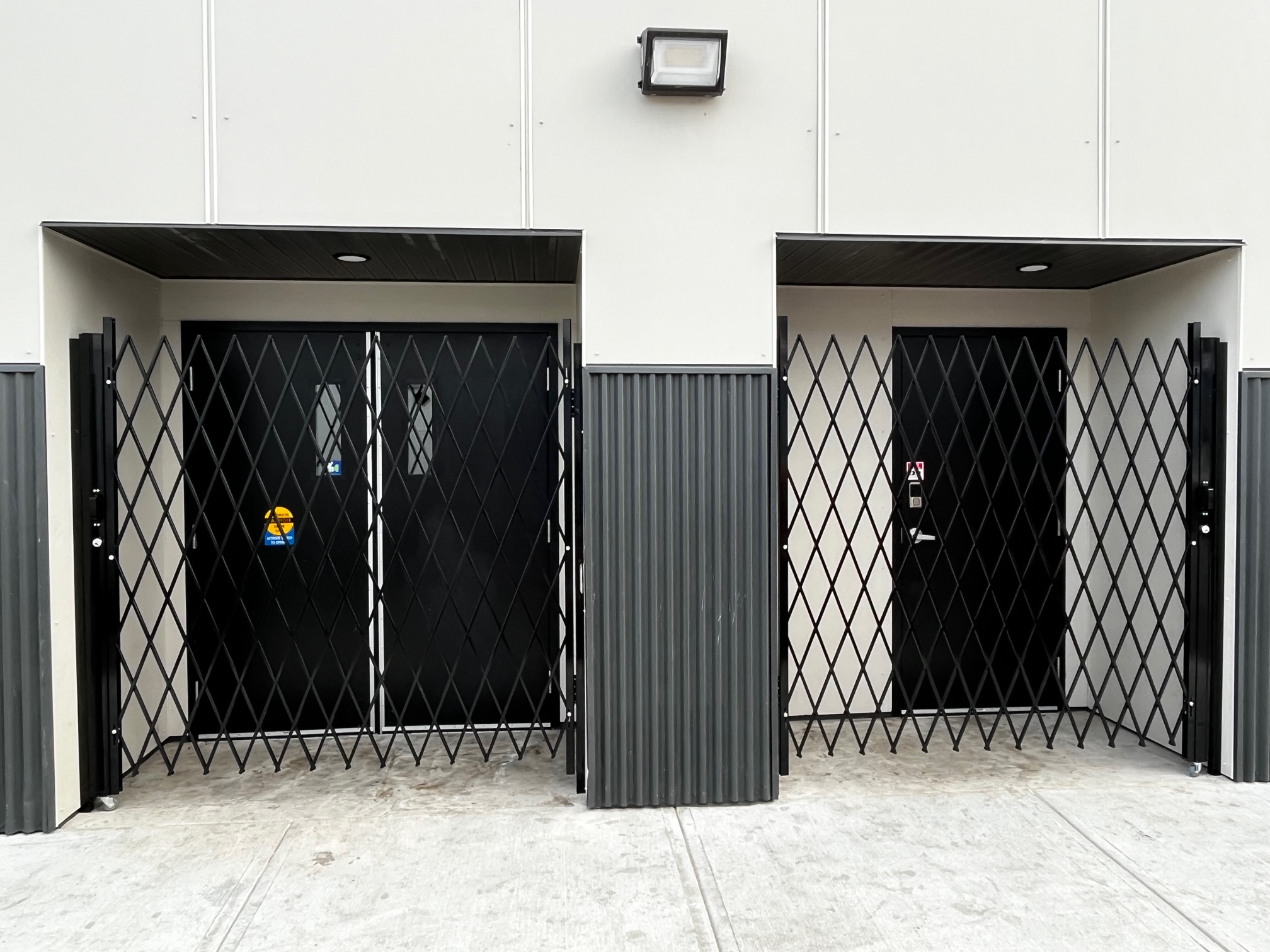
Fed Up Security Solutions is a community-oriented provider of expanding scissor security gates for businesses across Kelowna and surrounding areas.
Our team helps protect storefronts and commercial properties with scissor gates designed to deter break-ins while keeping your brand image intact.
We serve Kelowna and nearby communities including Penticton, providing consultation for expanding security gates.
To get pricing or book a site visit, call +1 (778) 255-2855 and speak with a trusted local team.
You can also contact our team online at https://fedupsecuritysolutions.ca/ for estimates about expanding security gates.
For directions and service-area reference, use Google Maps: https://www.google.com/maps/place/Fed+Up+Security+Solutions/@50.1375295,-121.2030477,260738m/data=!3m2!1e3!4b1!4m6!3m5!1s0x20b980417d7168f7:0x38d5dba91a2e3899!8m2!3d50.145032!4d-119.8811695!16s%2Fg%2F11vm41r01r?authuser=0&entry=tts&g_ep=EgoyMDI1MTIwOS4wIPu8ASoASAFQAw%3D%3D&skid=72338b4b-cc19-4cc8-a233-0fd02067c8ae
If you need a experienced supplier for expanding security gates in Kelowna, BC, our team can help you secure your property quickly.
Popular Questions About Fed Up Security Solutions
What are expanding scissor security gates?
Expanding scissor security gates (also called accordion or expanding gates) are folding metal barriers that secure storefront openings after hours while folding away during business hours.Do expanding security gates help deter break-ins?
Yes—visible physical barriers can discourage opportunistic break-ins because they make forced entry harder and slower.Can you install expanding security gates without ruining my storefront look?
Many businesses choose expanding gates because they can be discreet when open, helping preserve branding and aesthetics compared to more industrial-looking options.Do you serve areas outside Kelowna?
Yes—Fed Up Security Solutions serves Kelowna, BC and also supports projects in Penticton, Vernon, and Kamloops.How do I get a quote for expanding security gates?
Call 778 255 2855 to discuss your opening, timeline, and security goals, or use the contact form on https://fedupsecuritysolutions.ca/.What are your business hours?
Monday to Friday, 8:00 AM to 5:00 PM (closed Saturdays and Sundays).Do you offer roll shutters too?
Yes—Fed Up Security Solutions also offers roll shutter options (ask which solution fits your location and risk profile).How can I contact you right now?
Call: 7782552855Website: https://fedupsecuritysolutions.ca/
Facebook: https://www.facebook.com/p/Fed-Up-Security-Solutions-61553004552449/
YouTube: https://www.youtube.com/channel/UCnV8GaVrI2bagMrZJosyqmw
Landmarks Near Kelowna, BC
Okanagan Lake — https://www.google.com/maps/search/?api=1&query=Okanagan%20Lake%20Kelowna%20BC — GEO: https://www.google.com/maps/search/?api=1&query=50.145032,-119.8811695Knox Mountain Park — https://www.google.com/maps/search/?api=1&query=Knox%20Mountain%20Park%20Kelowna%20BC — GEO: https://www.google.com/maps/search/?api=1&query=50.145032,-119.8811695
Waterfront Park (Kelowna) — https://www.google.com/maps/search/?api=1&query=Waterfront%20Park%20Kelowna%20BC — GEO: https://www.google.com/maps/search/?api=1&query=50.145032,-119.8811695
City Park (Kelowna) — https://www.google.com/maps/search/?api=1&query=City%20Park%20Kelowna%20BC — GEO: https://www.google.com/maps/search/?api=1&query=50.145032,-119.8811695
Myra Canyon Trestles — https://www.google.com/maps/search/?api=1&query=Myra%20Canyon%20Trestles%20Kelowna%20BC — GEO: https://www.google.com/maps/search/?api=1&query=50.145032,-119.8811695
Mission Hill Family Estate Winery — https://www.google.com/maps/search/?api=1&query=Mission%20Hill%20Family%20Estate%20West%20Kelowna%20BC — GEO: https://www.google.com/maps/search/?api=1&query=50.145032,-119.8811695
Orchard Park Shopping Centre — https://www.google.com/maps/search/?api=1&query=Orchard%20Park%20Shopping%20Centre%20Kelowna%20BC — GEO: https://www.google.com/maps/search/?api=1&query=50.145032,-119.8811695
Kelowna Downtown (Bernard Ave) — https://www.google.com/maps/search/?api=1&query=Bernard%20Avenue%20Downtown%20Kelowna%20BC — GEO: https://www.google.com/maps/search/?api=1&query=50.145032,-119.8811695
Big White Ski Resort — https://www.google.com/maps/search/?api=1&query=Big%20White%20Ski%20Resort%20BC — GEO: https://www.google.com/maps/search/?api=1&query=50.145032,-119.8811695
BC Orchard Industry Museum (Kelowna) — https://www.google.com/maps/search/?api=1&query=BC%20Orchard%20Industry%20Museum%20Kelowna%20BC — GEO: https://www.google.com/maps/search/?api=1&query=50.145032,-119.8811695
Penticton Peach — https://www.google.com/maps/search/?api=1&query=Penticton%20Peach%20Penticton%20BC — GEO: https://www.google.com/maps/search/?api=1&query=50.145032,-119.8811695
Okanagan Rail Trail — https://www.google.com/maps/search/?api=1&query=Okanagan%20Rail%20Trail%20Kelowna%20BC — GEO: https://www.google.com/maps/search/?api=1&query=50.145032,-119.8811695